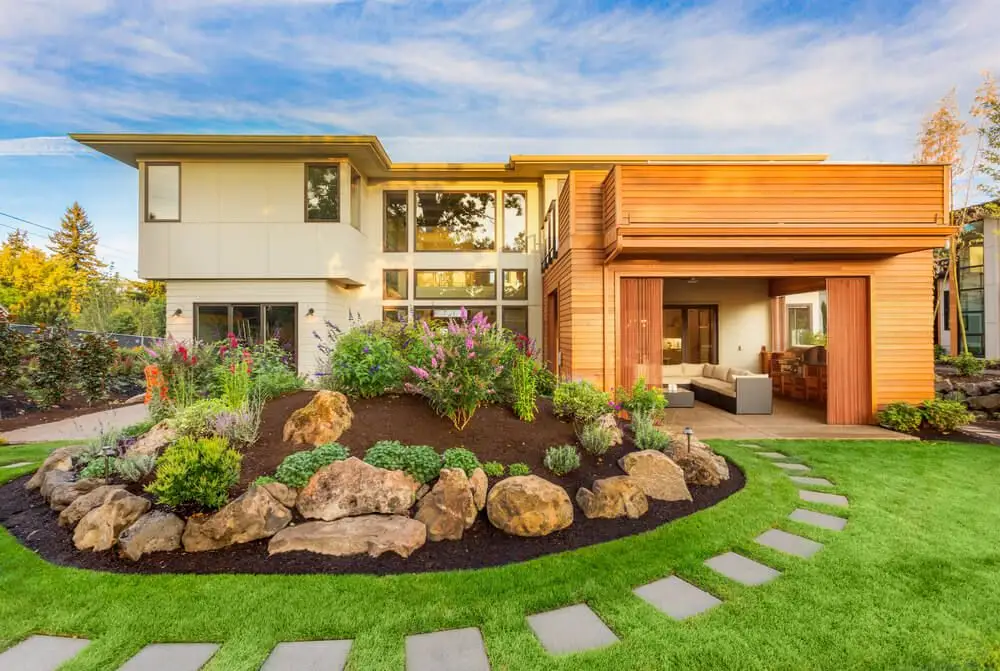

A well-designed garden can completely change the look and feel of a home. Garden landscaping is not just about planting flowers; it is about creating a balanced outdoor environment that is functional, relaxing, and visually appealing. Whether you have a small backyard or a large open space, the right landscaping ideas can turn it into a peaceful retreat.
Planning Your Garden Layout for Better Structure
Before starting any landscaping work, proper planning is essential. A well-thought-out layout ensures that every part of the garden is used effectively and looks visually balanced.
Start by analyzing the available space. Observe sunlight exposure, soil type, drainage, and natural slopes. These factors help determine which plants will grow best in different areas.
Next, divide the garden into functional zones. Common zones include seating areas, plant beds, pathways, and decorative sections. This zoning helps create order and prevents the garden from looking cluttered.
Pathways are an important part of layout design. They guide movement through the garden and connect different areas. Materials like stone, gravel, or wood can be used depending on the overall theme.
A focal point is also essential in any garden design. This could be a fountain, sculpture, large plant, or seating area that draws attention and gives structure to the landscape.
Proper planning ensures that the garden is not only beautiful but also practical and easy to maintain.
Choosing Plants and Green Elements Wisely
Plants are the heart of any garden landscaping design. Choosing the right combination of plants can bring color, texture, and life to the space.
One effective approach is layering plants. This means placing taller plants at the back, medium-sized plants in the middle, and smaller plants at the front. This creates depth and a natural flow.
Seasonal plants are also important. By selecting plants that bloom in different seasons, the garden remains colorful and vibrant throughout the year.
Evergreen plants are a great addition because they maintain their appearance even in colder months. They provide structure and greenery regardless of the season.
Adding a mix of flowers, shrubs, and trees creates diversity in the landscape. Flowers add color, shrubs provide volume, and trees offer shade and height.
Vertical gardening is another modern idea, especially useful for small spaces. Walls, fences, or vertical frames can be used to grow climbing plants, maximizing greenery without taking up ground space.
Choosing native plants is also beneficial because they are easier to maintain and better adapted to local climate conditions.
Enhancing Outdoor Aesthetics with Hardscaping
Hardscaping refers to the non-living elements of garden design, such as pathways, walls, patios, and decorative structures. It plays a crucial role in balancing natural greenery with functional design.
One popular hardscaping idea is building a patio area. This space can be used for outdoor seating, dining, or relaxation. Materials like stone, brick, or wood can be used to match the garden style.
Water features such as fountains, ponds, or small waterfalls add a calming effect to the garden. The sound of flowing water creates a peaceful atmosphere and enhances relaxation.
Garden lighting is another important element. Proper lighting highlights plants, pathways, and decorative features during nighttime. Solar lights, string lights, and LED fixtures are commonly used for this purpose.
Decorative structures like pergolas, arches, and gazebos can add elegance and shade to the garden. They also create ideal spaces for climbing plants.
Even small additions like garden statues, pots, and edging stones can significantly improve the overall aesthetic appeal.
Maintenance and Sustainable Landscaping Practices
A beautiful garden requires regular maintenance and sustainable practices to keep it healthy and long-lasting.
Watering is one of the most important aspects. Drip irrigation systems are highly efficient as they provide water directly to plant roots, reducing wastage.
Mulching is another useful technique. It helps retain soil moisture, prevents weed growth, and improves soil quality over time.
Regular pruning ensures that plants remain healthy and well-shaped. It also encourages new growth and prevents overcrowding.
Composting is a sustainable way to enrich soil naturally. Organic waste such as leaves and kitchen scraps can be converted into nutrient-rich compost for plants.
Pest control should be managed using eco-friendly methods whenever possible. Natural solutions help protect plants without harming the environment.
Using drought-resistant plants and water-saving techniques is also becoming increasingly popular in modern landscaping. It reduces water consumption and supports environmental sustainability.
Proper maintenance ensures that the garden remains attractive, healthy, and enjoyable throughout the year.
Garden landscaping is a creative blend of planning, design, and nature. With the right combination of layout, plants, hardscaping, and maintenance, any outdoor space can be transformed into a beautiful and functional environment. Whether simple or elaborate, a well-designed garden adds value, peace, and beauty to any home.